

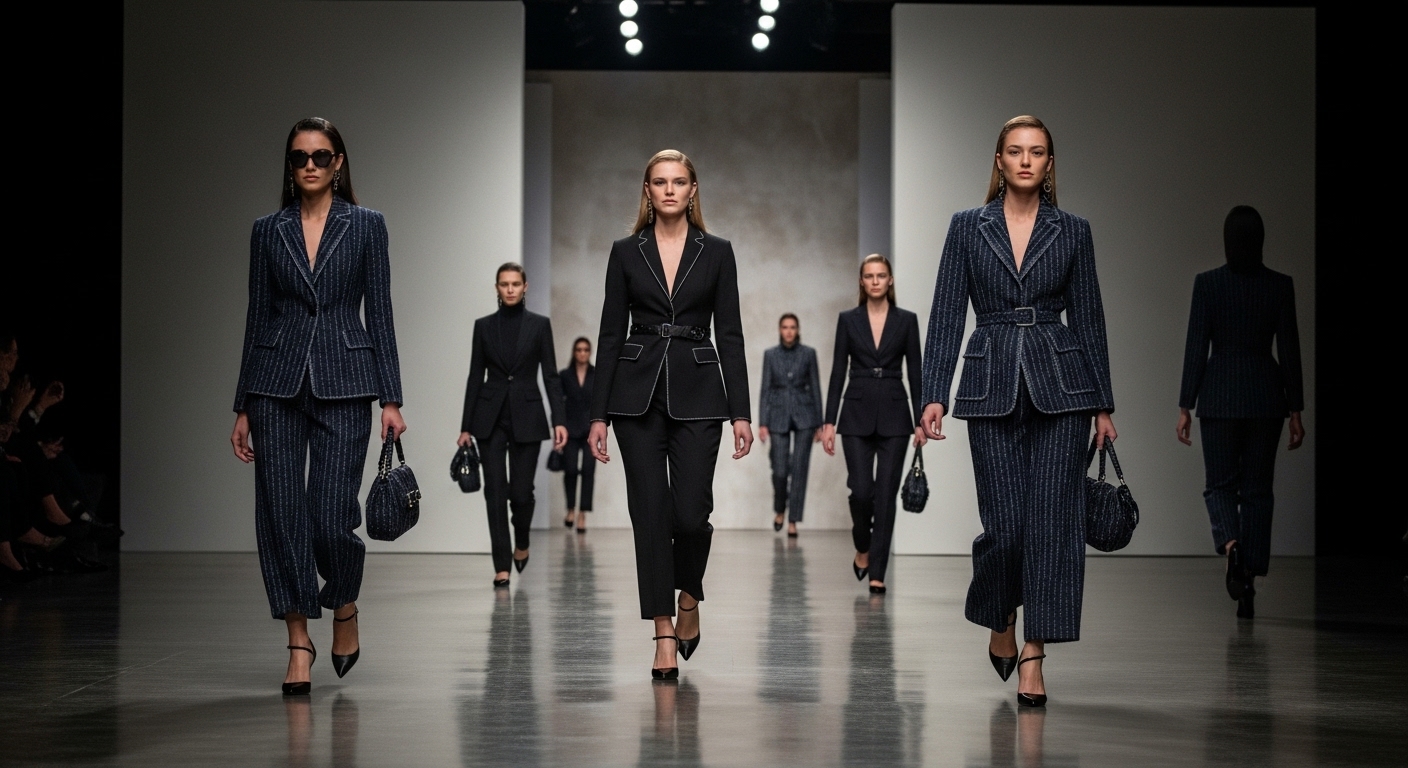
Fashion is more than clothing—it is a reflection of culture, identity, technology, and economic transformation. In 2026, the global fashion industry is undergoing a significant shift driven by sustainability, digital innovation, consumer awareness, and evolving aesthetic standards. From luxury runways to everyday streetwear, modern fashion is increasingly influenced by ethical production, smart textiles, and personalization.
This article explores the latest fashion trends, industry innovations, and sustainable strategies shaping the future of style.
Contents
The Modern Fashion Landscape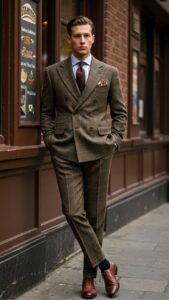
The global fashion industry has evolved from seasonal collections to a fast-paced, digitally driven ecosystem. Social media platforms, e-commerce expansion, and influencer marketing have accelerated trend cycles. However, alongside speed, there is a growing demand for responsibility and authenticity.
Key Drivers of Modern Fashion
-
Digital transformation and AI-driven personalization
-
Consumer demand for sustainable fashion
-
Rise of gender-neutral and inclusive fashion
-
Integration of technology in fabrics and design
Today’s fashion brands must balance creativity with sustainability, innovation with ethics, and trend relevance with long-term brand identity.
Fashion Trends Dominating 2026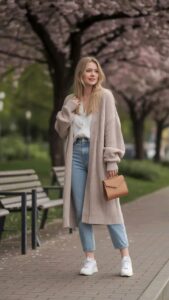
Fashion in 2026 reflects a blend of minimalism, bold expression, and technological integration. The industry is witnessing a convergence of traditional craftsmanship and futuristic design.
1. Sustainable and Ethical Fashion
Sustainability is no longer optional; it is a strategic priority. Consumers are increasingly aware of environmental impact, pushing brands to adopt eco-friendly materials and ethical supply chains.
Key elements include:
-
Organic and recycled fabrics
-
Transparent sourcing
-
Circular fashion models
-
Carbon-neutral production practices
Sustainable fashion is becoming a long-term investment rather than a temporary trend.
2. Tech-Integrated Clothing
The rise of smart textiles and wearable technology is reshaping apparel design. Fashion brands are experimenting with:
-
Temperature-regulating fabrics
-
Fitness-tracking embedded garments
-
Augmented reality (AR) fitting rooms
-
AI-powered customization
Technology-driven fashion enhances functionality while maintaining style appeal.
3. Minimalism with Statement Pieces
Modern consumers prefer versatile wardrobes built on neutral tones and timeless silhouettes, complemented by bold accessories or statement items.
Capsule wardrobes are gaining popularity due to:
-
Cost efficiency
-
Reduced environmental footprint
-
Simplified styling
This shift supports conscious consumption and long-term value.
4. Gender-Neutral and Inclusive Fashion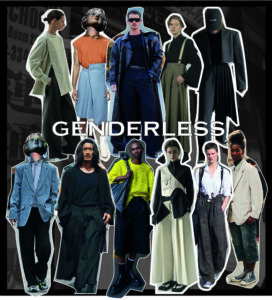
Fashion boundaries are becoming fluid. Designers are embracing inclusivity across size, gender, and cultural representation.
The rise of gender-neutral fashion reflects:
-
Social progress
-
Individual expression
-
Market expansion opportunities
Brands that prioritize inclusivity build stronger emotional connections with modern audiences.
The Business of Fashion in 2026
Fashion is not only creative—it is strategic. Brands must adapt to digital-first consumer behavior while maintaining brand heritage.
E-Commerce and Direct-to-Consumer (DTC) Models
Online shopping dominates the retail landscape. Successful brands optimize:
-
Mobile-first shopping experiences
-
Seamless checkout systems
-
Data-driven personalization
-
Social commerce integration
The DTC model allows brands to control pricing, branding, and customer data.
The Role of Social Media and Influencers
Social platforms have transformed marketing strategies. Micro-influencers now play a significant role in building trust and authenticity.
Effective strategies include:
-
User-generated content
-
Live shopping events
-
Short-form video marketing
-
Community engagement
Fashion brands that invest in digital storytelling outperform competitors in brand recall and customer loyalty.
Sustainable Fashion: A Long-Term Strategy
Sustainability is reshaping supply chains, production methods, and consumer behavior. Experts emphasize:
-
Ethical labor practices
-
Waste reduction
-
Eco-conscious packaging
-
Slow fashion principles
The circular economy model—repair, reuse, recycle—is gaining momentum. Brands that fail to adapt risk losing relevance in an environmentally conscious marketplace.
How Consumers Can Build a Future-Ready Wardrobe
An expert approach to fashion requires strategic wardrobe planning. Consider the following:
-
Invest in high-quality essentials.
-
Choose sustainable brands.
-
Prioritize timeless designs over fast trends.
-
Maintain and repair garments properly.
-
Mix classic pieces with modern accents.
A curated wardrobe enhances style consistency and financial efficiency.
The Future of Fashion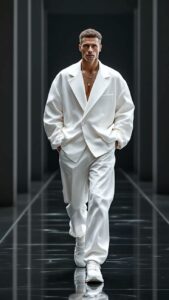
Looking ahead, fashion will continue to merge technology, sustainability, and personalization. Key predictions include:
-
AI-driven fashion forecasting
-
Digital fashion and virtual clothing
-
Blockchain-based supply chain transparency
-
On-demand manufacturing
The industry is transitioning from mass production to precision production, where data informs design decisions.
Fashion in 2026 represents a balance between innovation and responsibility. Brands and consumers alike must adopt forward-thinking strategies to thrive in a competitive and rapidly evolving landscape.
Conclusion
Fashion has transformed into a dynamic industry that blends creativity, technology, and sustainability. In 2026, the emphasis is on responsible production, digital integration, and inclusive design.
Professionals and consumers who understand emerging trends—such as sustainable fashion, smart textiles, and gender-neutral apparel—will be better positioned to navigate the evolving market.
The future of fashion lies not only in style but in purpose, innovation, and conscious choices.
FAQs
1. What are the biggest fashion trends in 2026?
Sustainable fashion, tech-integrated clothing, minimal capsule wardrobes, and gender-neutral designs are leading trends.
2. Why is sustainable fashion important?
It reduces environmental impact, promotes ethical labor practices, and supports long-term industry growth.
3. How is technology influencing fashion?
Technology enables smart fabrics, AI-driven personalization, AR fitting rooms, and more efficient supply chains.
4. What is a capsule wardrobe?
A capsule wardrobe is a curated collection of versatile, timeless clothing pieces that can be mixed and matched